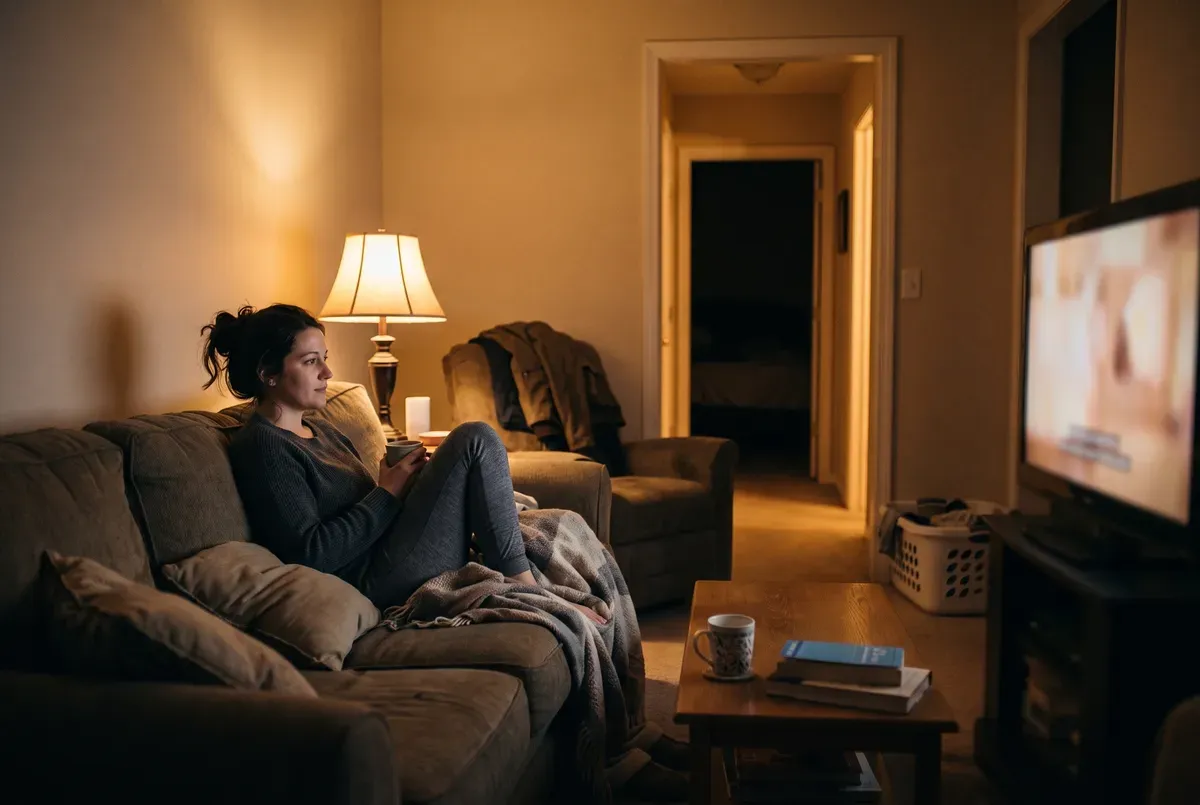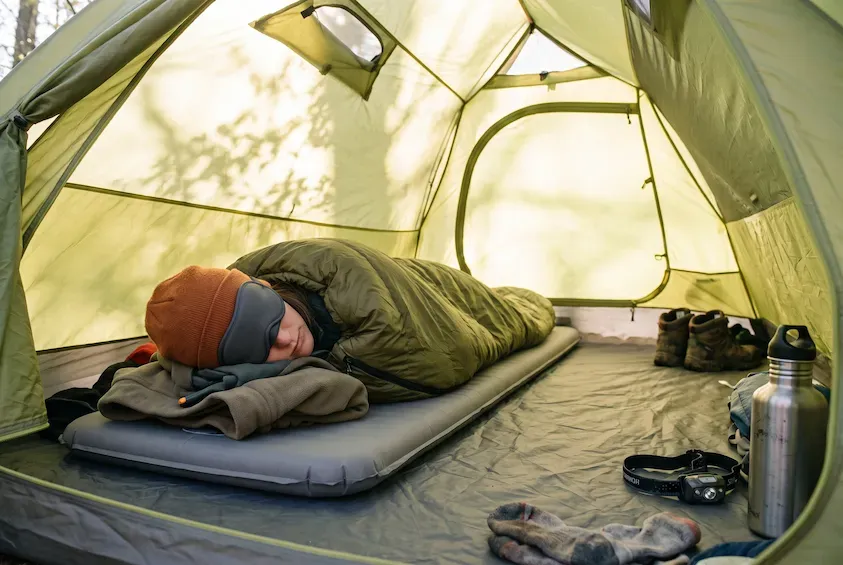
The nap isn’t the hard part. The hard part is the twelve minutes beforehand, working out where to go, what to say if someone asks, and whether you’ll come back looking like you’ve been asleep.
Plenty of people who’d benefit from a short afternoon nap never take one, and it’s rarely because they can’t spare 20 minutes. It’s because they can’t picture the logistics without feeling ridiculous.
So here’s the logistics, which is the part the advice usually skips.
Step 1: Pick the Window Before You Pick the Place
Decide when, and make it the same time most days.
Early afternoon is the window that works: it lines up with a natural dip in alertness, so you’ll fall asleep faster, and it’s early enough not to touch your night. Later than about 3 p.m. and you start trading tonight for this afternoon.
Book it like anything else. A recurring hold in your calendar does two jobs: it stops the slot getting taken, and it means you aren’t making the decision fresh each day when you’re too foggy to decide well.
Call it whatever you like. “Focus block” and “break” are both true.
Step 2: Find Somewhere Horizontal-Ish
You don’t need a bed. You need to be reclined, still, and not interrupted for 20 minutes.
Work outward from what you have:
- Your car, if you drive in. Recline the seat, crack a window, lock the doors. It’s private, it’s yours, and nobody can walk in, which is why it tends to be the default answer.
- An empty meeting room, booked properly so you aren’t apologizing to anyone. Lights off, chair turned away from the glass door if there is one.
- A wellness or first-aid room, if your building has one. Plenty of buildings do, and it’s easy to work somewhere for years without ever checking.
- A quiet corner, upright. Less ideal, more available. A chair that leans back, in a low-traffic spot, works better than you’d think.
- Home, if you work from home, in which case skip to Step 3 and enjoy your considerable advantage.
If none of those exist, the honest answer is that a full nap may not be available to you, and a 15-minute walk outside is the better use of the same time. It won’t replace sleep, but it acts on the same slump.
Step 3: Set Two Alarms, and Trust Them
One alarm for the end of the nap. A second, a few minutes later, as insurance.
This sounds excessive and it’s the single thing that makes the difference. The reason a work nap doesn’t feel restful is usually that you spend it half-monitoring the clock, terrified of waking up at 4 p.m. with eleven missed messages. Two alarms buys you permission to actually let go.
Put the phone face down and out of reach so the screen isn’t lighting up next to you.
Step 4: Keep It Short
Around 20 minutes of lying down. Set the timer for the lying-down time, not the sleeping time.
Short naps keep you in lighter sleep, which is why you come out of them cleanly. Go longer and you risk surfacing from deep sleep, which is where the heavy, disoriented feeling comes from, and that’s the state you don’t want to walk back into an office wearing. There’s more to say about finding your own ideal length; for a workday, short and early is the reliable setting.
Step 5: Handle the Re-Entry
This is what people actually mean by “looking unprofessional,” and it’s fixable in about three minutes.
Stand up straight away. Don’t lie there easing into it. The upright transition is faster.
Get bright light immediately. Outside if you can, a window if you can’t. Light is what tells your system the sleeping part is over, and it shortens the fog more than anything else on this list.
Move for a minute or two. Stairs, a lap of the floor, a walk to fill a water bottle.
Then deal with your face and hair, in that order of importance. A splash of cold water. Check for the pillow crease or the collar mark. Thirty seconds in a bathroom mirror closes the gap between “had a nap” and “was somewhere else for twenty minutes.”
Don’t start with the hardest thing. Give yourself a low-stakes task for the first five minutes back. Reply to something easy. Your judgment takes a few minutes longer to return than your alertness does.
Common Mistakes
- Napping at your desk with your head down. Uncomfortable, visible, and it’s the version that looks exactly like what people are worried about looking like.
- No alarm, “I’ll just rest my eyes.” This is how a 20-minute nap becomes 50 and the whole experiment gets abandoned.
- Leaving it until you’re desperate. By 4:30 you’re too far gone for a short nap to help and too close to evening for a long one to be free.
- Announcing it. You don’t owe anyone an itinerary for your break. Explaining it invites a conversation about whether you should be allowed to.
- Caffeine right after. It won’t act fast enough to help with the fog, and it lands late enough to be in your system at bedtime. Light and movement are quicker anyway.
A Note on the Workplace Part
Some workplaces are relaxed about this and some aren’t, and no article can tell you which yours is. What’s worth separating is the two different worries: whether napping is allowed, and whether it’s embarrassing. The first is a real question with a real answer, and if breaks are yours to take as you like, the answer is probably yes. The second is about how it looks, and most of that is solved by the re-entry steps above.
The Checklist
- Pick an early-afternoon window and put a recurring hold on it.
- Find your spot: car, bookable room, wellness room, quiet chair.
- Two alarms. Phone face down and out of reach.
- About 20 minutes of lying down, short rather than long.
- Stand up, bright light, move, then the mirror.
- Restart with something easy for the first five minutes.
If you only do two of these, make them the alarm and the light. The alarm is what lets you rest instead of monitor, and the light is what gets you back.